Category: Uncategorized
-

Twelve Angry Men: The Origin of Twelve-Person Criminal Juries
Sara Kircher* When most people think of a jury, they think of twelve randomly selected strangers deciding someone’s guilt or innocence in a criminal case. But where did this idea of a twelve-person jury come from? The United States Constitution guarantees a trial by an impartial jury, but says nothing about the number of people…
-

Unexpected Heirs: Direct-to-Consumer DNA Testing and the Risks of Dying Intestate
Asher Z. Introlegator* I’ve been doing genealogy as a hobby for nearly two decades now. When I started circa 2007, DNA tests—as a commercially viable methodology—were just beginning to take off. Never could I have imagined the potential of genetic genealogy. While many of us are familiar with its use by law enforcement—particularly to solve…
-

I Became a Sovereign Citizen, and All I Got Was This Lousy T-Shirt
Caden Bruzek* Introduction Have you ever been pulled over and told the police officer you were traveling, as opposed to driving? Have you ever made your own license plate for your car? Have you ever attempted to take a security interest in a Treasury Direct Account that the US government secretly created in your name…
-

Scouting Report for MLB’s Next Labor Battle: Lessons To Learn from Baseball’s Past as the Collective Bargaining Agreement Expires
Robert Defren* When first pitch crossed home plate to inaugurate the 2026 Major League Baseball season, more viewers tuned in to watch the New York Yankees play against the San Francisco Giants than any previous opening-day game. The game featured Logan Webb, an All-Star pitcher who signed a five-year $90 million contract in 2024, against…
-
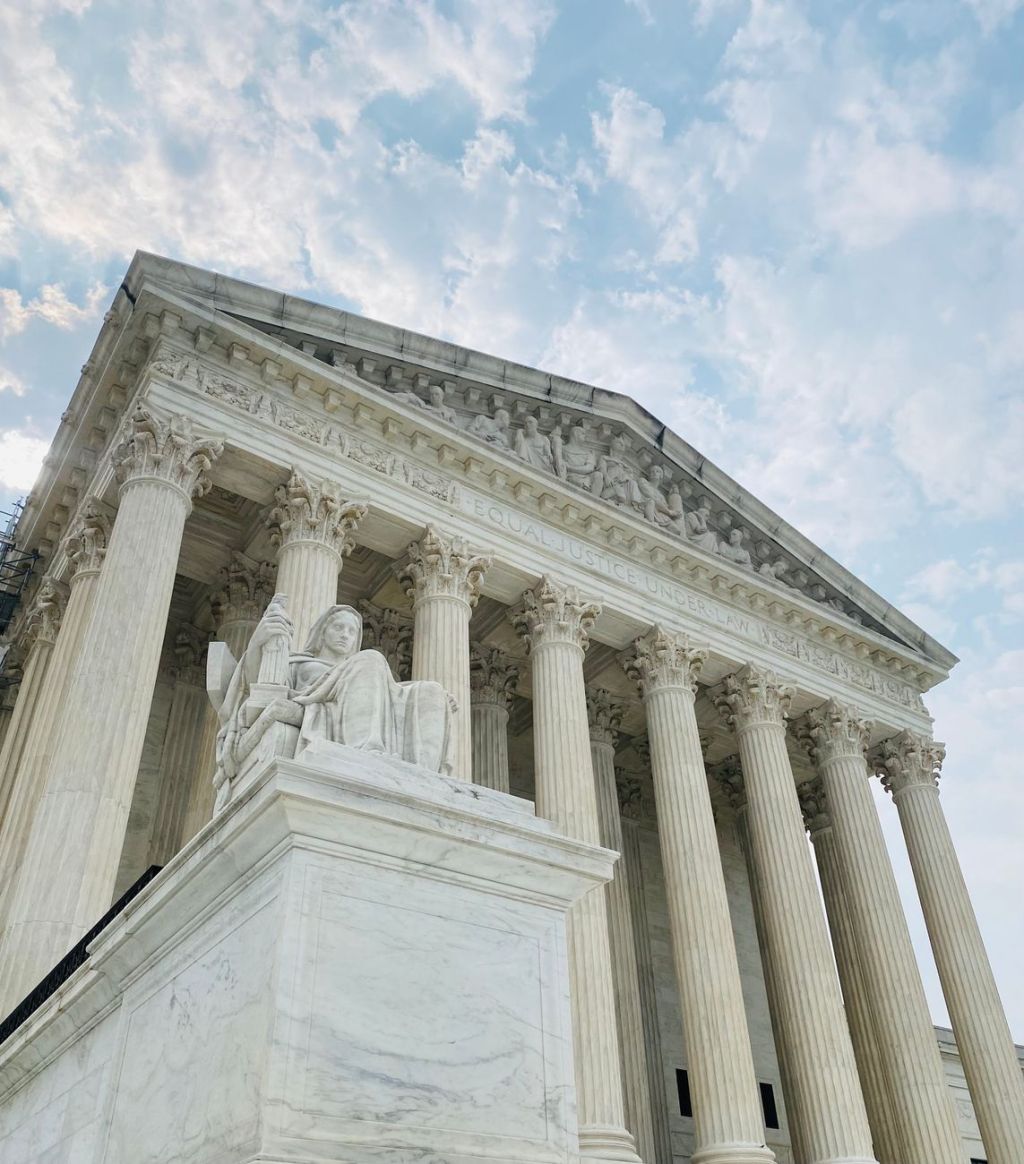
Textualist Tension: Can the Major Questions Doctrine Be Reconciled with Textualism?
Zach Liebl* In February of 2026, the Supreme Court held in Learning Resources, Inc. v. Trump that the International Emergency Economic Powers Act, which gives the President the power to, among other things, “regulate . . . importation,” does not authorize the President to impose tariffs. Six justices agreed with this conclusion, but they disagreed…
-
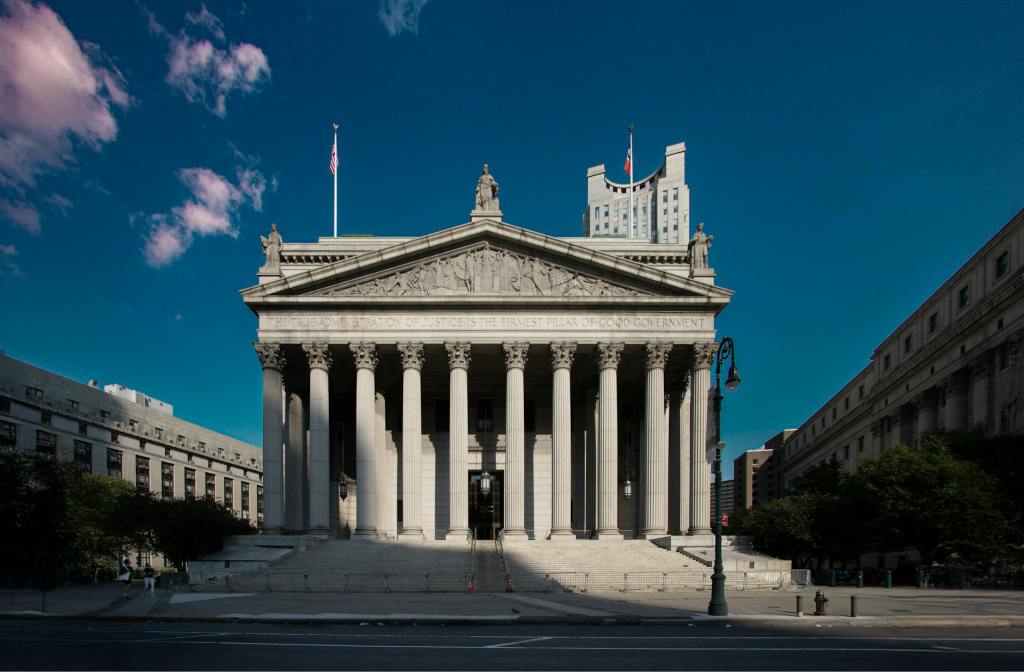
A Dangerous Turn: SCOTUS Reopens the Door to Conversion Therapy for Minors
By Kimberly Lugo* In March 2026, the Supreme Court of the United States issued an 8–1 decision striking down Colorado’s law banning conversion therapy for minors, holding the law violated the First Amendment rights of licensed counselors. The Court reasoned the statute impermissibly regulated speech based on viewpoint, emphasizing that the First Amendment protects even…
-

“Just Kidding”: Why April Fools’ is Not a Legal Defense
Lily Fredericks* Introduction: Cultural Origins of April Fools’ Day Peruse your favorite newspapers on April 1, and you’ll likely read some stories that are complete hoaxes. After all, it’s April Fools’ Day. But where do we get the weird tradition of playing pranks on April 1? Nobody knows for sure. All we know is that…
-
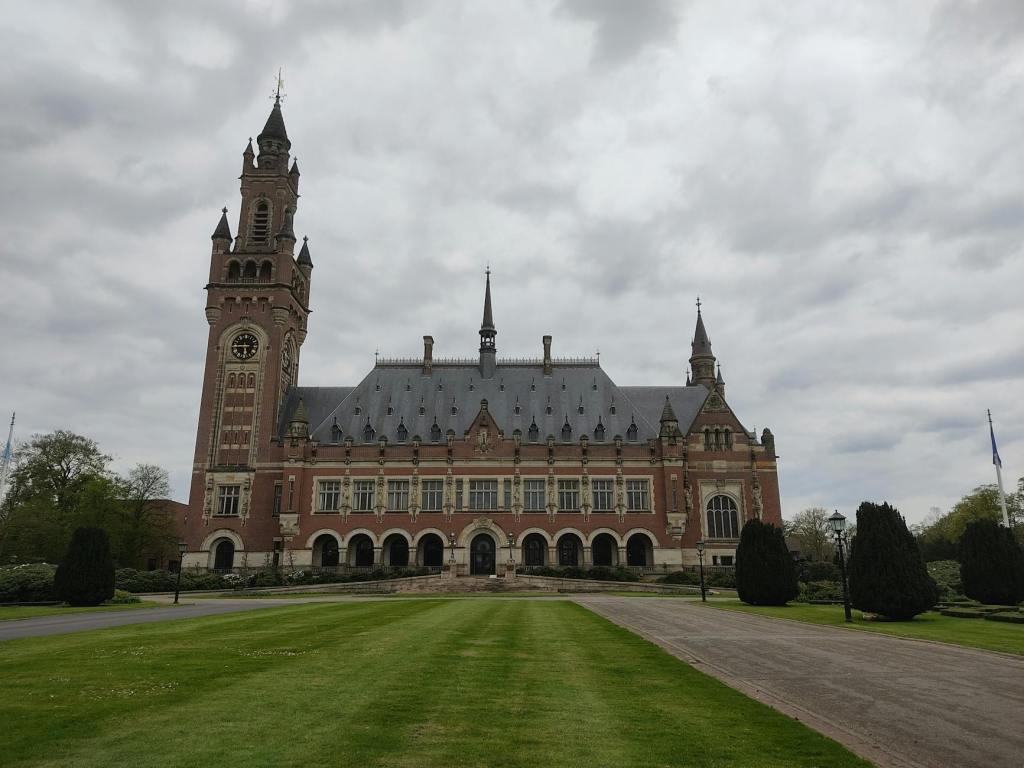
Article 62 Intervention
By Quinn McKush* The International Court of Justice is the judicial organ of the United Nations. This judicial organ decides contentious proceedings between states and issues advisory opinions for authorized United Nations organs and agencies. In contentious proceedings, only states that consent through special agreement, a treaty clause, or a declaration accepting the Court’s jurisdiction,…
-

Big Brother Wants to Charge You More for Eggs at the Grocery Store: Why We Need to Regulate Surveillance Pricing
Michael Hurd* Consider two people who are in the market to buy a new car, Customer A and Customer B. Customer A makes $100,000 per year, is frugal with her money, and has no particular interest in cars other than as a means of transportation. Customer B, on the other hand, makes $150,000 per year and…
-

Subrogation Overview: Learning the Ins and Outs of Subrogation Law
Marcus Hornacek* Subrogation: Definition and History Subrogation is a term and “legal process” that may not be entirely familiar to everyone. “Subrogation is the process where one party assumes the legal rights of another.” It “is the process that allows your insurance company to recover money from the party responsible for a loss.” “Put simply,…

